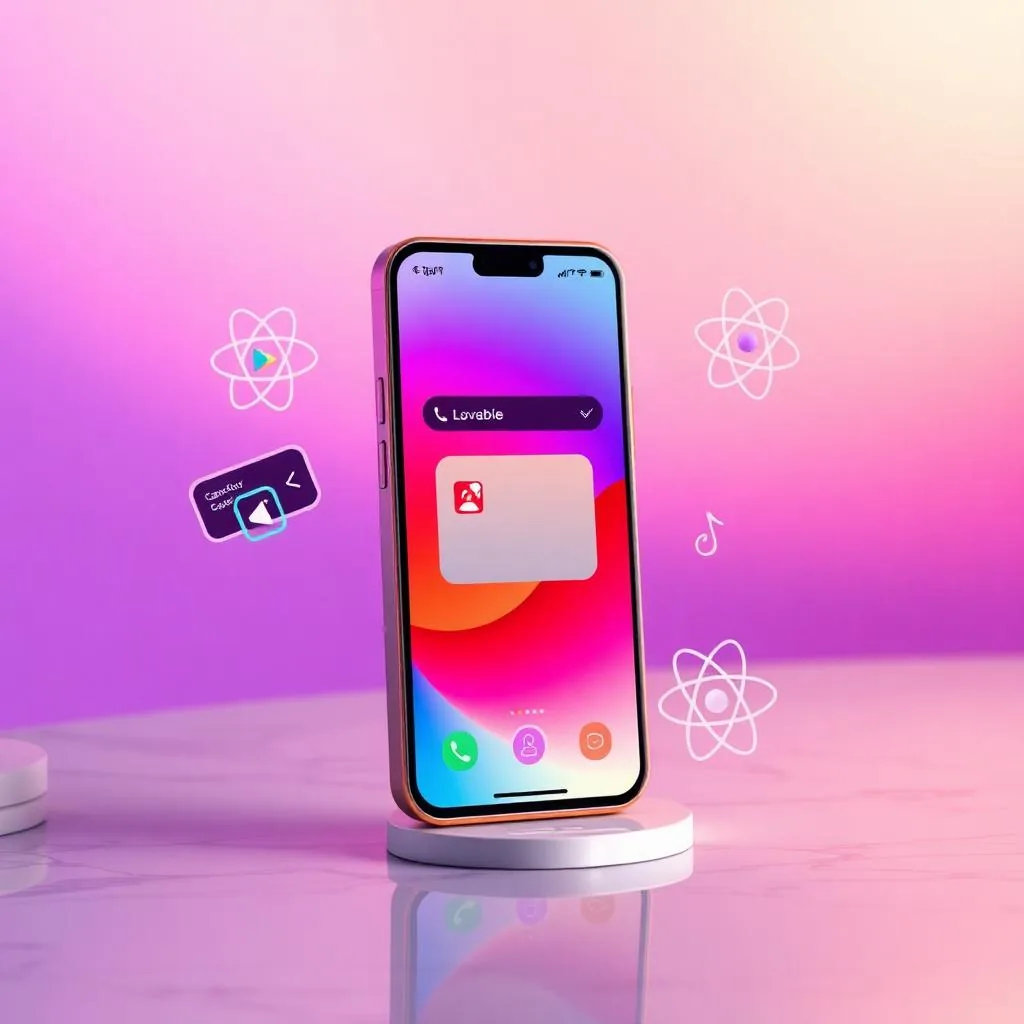
Ja, Lovable-Projekte lassen sich als echte mobile Apps launchen. Der React-und-Vite-Stack, den jedes Lovable-Projekt nutzt, passt sauber in Capacitor, das die App in eine native iOS- oder Android-Hülle packt, die du im App Store und bei Google Play einreichen kannst. Brauchst du keine Store-Verteilung, gibt dir eine Progressive Web App an einem Nachmittag ein installierbares Startbildschirm-Icon, ganz ohne native Toolchain.
Jede Woche öffnet ein Gründer Lovable, launcht an einem Wochenende einen Prototyp und stellt dann dieselbe Frage: kann dieses Ding auch auf einem Handy leben? Die Suchdaten bestätigen es. Anfragen wie 'can lovable ai make mobile apps', 'lovable ios app' und 'lovable capacitor' tauchen jeden Monat in den Tools auf, und die meisten Antworten online sind ein Jahr veraltet. Das ist die aktuelle Antwort, geschrieben für Gründer, die ihr Projekt auf einem Startbildschirm wollen, ohne einen Mobile-Entwickler einzustellen.
Die Kurzfassung: Lovable selbst erzeugt keinen Swift-, Kotlin- oder React-Native-Code. Es erzeugt eine React-und-Vite-Web-App. Diese Web-App kann auf eine von zwei gut unterstützten Arten zu einer mobilen App werden, und beide sind in der offiziellen Lovable-Dokumentation abgedeckt. Welche du wählst, hängt davon ab, ob du App-Store-Verteilung brauchst oder nur ein schnelles Installations-Erlebnis.
Kann Lovable mobile Apps machen?
Ja, aber die Formulierung zählt. Lovable baut eine moderne Web-App. Moderne Web-Apps laufen auf Handys einwandfrei, und 2026 ist die Toolchain, um sie in ein natives Binary zu verpacken, reif genug, dass Solo-Gründer regelmäßig Lovable-Projekte in beide Stores veröffentlichen. Was Lovable nicht tut, ist, für dich zu einer nativen Codebasis zu kompilieren. Das macht der Wrapper, und der Wrapper, den das Lovable-Team empfiehlt, ist Capacitor, ein Open-Source-Projekt vom Ionic-Team.
Die Ein-Satz-Antwort
Lovable macht keine mobilen Apps direkt, aber ein Lovable-Projekt lässt sich an einem Nachmittag als installierbare Web-App veröffentlichen oder mit Capacitor in eine echte iOS- und Android-App verpacken, die du an einem Wochenende in den Stores einreichst.
Die zwei Wege: PWA vs Capacitor
Bevor du eine einzige Zeile nativer Konfiguration schreibst, entscheide, welchen dieser zwei Wege du wirklich brauchst. Die meisten Gründer greifen zu hoch und starten mit Capacitor, wenn eine PWA in einem Zehntel der Zeit fertig gewesen wäre.
| Frage | PWA | Capacitor |
|---|---|---|
| Einrichtungszeit | Ein Nachmittag | Ein Wochenende, mehr, wenn du nie Xcode genutzt hast |
| Installiert über | Browser 'Zum Startbildschirm hinzufügen' | App Store und Google Play |
| Braucht einen Mac | Nein | Ja für iOS-Builds |
| Braucht Apple-Entwicklerkonto | Nein | Ja, 99 USD pro Jahr |
| Push-Benachrichtigungen | Auf iOS begrenzt | Volle native Unterstützung |
| Kamera, Sensoren, Biometrie | Begrenzt | Voller nativer Zugriff über Plugins |
| Update-Fluss | Sofort, Nutzer sehen immer das Neueste | Store-Prüfung für jedes Release |
| Am besten für | Interne Tools, Dashboards, MVP-Validierung | Consumer-Apps, Store-Präsenz, native Features |
Weg 1: Installierbare Web-App (PWA)
Eine Progressive Web App ist eine normale Website mit ein wenig zusätzlichen Metadaten, die Browser dazu bringen, ihre Installation auf den Startbildschirm des Handys anzubieten. Einmal installiert, startet sie im Vollbild von einem App-Icon, verbirgt das Browser-Chrome und verhält sich nah genug an einer nativen App, dass die meisten Nutzer den Unterschied nicht merken.
Das ist der schnellste Weg von einem Lovable-Projekt aufs Handy. Es gibt kein Xcode, kein Signatur-Zertifikat, keine Store-Prüfung. Du fügst ein Web-App-Manifest und einen Satz Icons hinzu, veröffentlichst über den normalen Lovable-Publish-Fluss, und Nutzer installieren sie aus Safari auf iOS oder Chrome auf Android.
Was du tatsächlich hinzufügst
- Eine Manifest-Datei (public/manifest.webmanifest) mit App-Name, Kurzname, Theme-Farbe, Hintergrundfarbe, Anzeigemodus 'standalone' und Icon-Einträgen.
- Einen Satz Icons unter public/, mindestens in 192x192 und 512x512.
- Einen kleinen Satz Head-Tags (link rel='manifest', theme-color, apple-touch-icon), einmal im HTML-Einstiegspunkt der App hinzugefügt.
Sag Lovable einfach: 'Mach dieses Projekt als PWA installierbar. Füg ein Manifest, mobile Icons, Theme-Farbe und Head-Tags hinzu. Füg keinen Service Worker hinzu.' Lovable folgt der eingebauten PWA-Skill und liefert standardmäßig die reine Manifest-Version. Das ist für die meisten Gründer die richtige Wahl. Offline-Modus ist ein eigenes Feature und nur dann wert, hinzugefügt zu werden, wenn Nutzer es ausdrücklich verlangen.
Installation auf iOS ist ein Zwei-Tipp-Vorgang
Auf dem iPhone tippen Nutzer den Teilen-Button in Safari und wählen 'Zum Home-Bildschirm'. Chrome und Edge auf Android zeigen automatisch ein Installations-Banner. Keiner der Wege braucht einen App Store.
Weg 2: Native App mit Capacitor
Capacitor verpackt deine Web-App in ein natives iOS- oder Android-Projekt. Aus Sicht des Handys ist das Ergebnis eine echte native App. Sie bekommt einen Eintrag im App Store oder Play Store, eine Bundle-ID, Code-Signierung und vollen Zugriff auf native Plugins für Kamera, Push-Benachrichtigungen, Biometrie, Dateisystem und mehr.
Unter der Haube ist Capacitor eine dünne Schicht, die deine Web-App in einer WKWebView auf iOS und einer Android-WebView auf Android lädt. Dein React-Code läuft unverändert. Plugins überbrücken JavaScript-Aufrufe zu nativen APIs, wenn du sie brauchst. Wenn du je mit Ionic gebaut hast, ist das derselbe Wrapper ohne das Ionic-UI-Framework.
Wann Capacitor die richtige Wahl ist
- Du musst für Verteilung oder Glaubwürdigkeit im App Store oder bei Google Play sein.
- Du brauchst echte Push-Benachrichtigungen, besonders auf iOS, wo die PWA-Unterstützung dünn ist.
- Du brauchst native Features wie Kamera, Biometrie, Hintergrundaufgaben oder Bluetooth.
- Du willst einen nativen Splash-Screen, ein natives Teilen-Menü oder Deep-Linking, das Kaltstarts übersteht.
Welchen Weg solltest du wählen?
Die ehrliche Antwort für die meisten Lovable-Projekte lautet: starte mit einer PWA, steig nur dann auf Capacitor um, wenn ein echtes Produktsignal es dir sagt. Store-Verteilung zählt für Frühphasen-Software weniger, als Gründer denken, und an einer PWA zu iterieren ist sofort, weil es keinen Prüfzyklus gibt. Fangen Nutzer an, nach Push-Benachrichtigungen zu fragen, oder braucht die App die Kamera ernsthaft, lässt sich dieselbe Lovable-Codebasis ohne Neuschreiben mit Capacitor verpacken.
Schritt für Schritt: Capacitor einrichten
Bitte Lovable, Capacitor zum Projekt hinzuzufügen, und es führt das Standard-Gerüst aus. Wenn du es nach dem Export zu GitHub selbst verkabelst, sind die Schritte kurz und langweilig, was du von einem Build-System willst.
- Exportier das Lovable-Projekt mit dem Export-to-GitHub-Button in dein eigenes GitHub-Repo, dann klon es lokal.
- Führ npm install aus, um Abhängigkeiten zu installieren, dann füg Capacitor hinzu: npm install @capacitor/core @capacitor/cli @capacitor/ios @capacitor/android.
- Initialisier mit npx cap init und setz eine App-ID (im Reverse-DNS-Stil wie com.yourbrand.yourapp) und einen App-Namen.
- Füg die Plattformen hinzu, die du brauchst: npx cap add ios und npx cap add android.
- Bau die Web-App mit npm run build, dann synchronisier sie mit npx cap sync in die native Hülle.
- Führ auf einem Simulator oder Gerät aus: npx cap run ios (braucht einen Mac mit Xcode) oder npx cap run android (braucht Android Studio).
Hot Reload während der Entwicklung
Capacitor kann die native Hülle während der Entwicklung auf die Lovable-Preview-URL zeigen lassen, sodass Änderungen ohne Neubau auf dem Handy erscheinen. Füg einen server-Block in capacitor.config mit der Preview-URL und cleartext true hinzu, dann entferne ihn, bevor du das Release baust.
Veröffentlichen im App Store und Play Store
Sobald die App auf einem Gerät läuft, ist das Veröffentlichen derselbe Vorgang wie bei jeder anderen nativen App. Der von Lovable erzeugte Code wird von Apple oder Google nicht anders behandelt. Wichtig ist, dass die Hüllen-App ein Icon, einen Splash-Screen, eine echte Datenschutz-URL und eine Bundle-ID hat, die dir gehört.
- iOS: Schreib dich im Apple Developer Program ein (99 USD pro Jahr), erstell eine App-ID und ein Provisioning-Profil, archivier die App in Xcode und reich sie über App Store Connect ein. Die Prüfung dauert 2026 bei den meisten Apps 24 bis 72 Stunden.
- Android: Zahl die einmalige Play-Console-Gebühr von 25 USD, erstell ein signiertes Release-Bundle aus Android Studio, lad es in die Play Console, füll die Formulare zu Altersfreigabe und Datensicherheit aus und reich es ein. Die Prüfung ist meist am selben Tag.
- Beide Stores: Halt eine Datenschutzerklärung auf deiner von Lovable gehosteten Seite live. Beide Stores lehnen Apps ohne eine ab, und beide lassen dich direkt auf eine URL wie /privacy-policy zeigen.
Fallstricke, die wir auf die harte Tour gelernt haben
- Nutz nicht die In-Editor-Vorschau von Lovable, um die PWA-Installierbarkeit zu testen. Der Vorschau-Iframe blockiert den Installations-Prompt. Veröffentliche auf die Live-URL und teste auf einem echten Handy.
- iOS-Safari cacht PWA-Manifest-Felder zum Installationszeitpunkt. start_url, id oder scope nach der Installation der Nutzer zu ändern, erfordert eine Neuinstallation, also wähl diese einmal und lass sie stehen.
- Füg keinen Service Worker hinzu, es sei denn, du willst ausdrücklich Offline-Unterstützung. Er verursacht Gründern mehr Stale-Cache-Probleme, als er löst.
- Führ nach jedem git pull npx cap sync aus. Überspringst du es, liefert die native Hülle weiter das zuletzt gebaute Web-Bundle.
- Für Capacitor-Push-Benachrichtigungen auf iOS brauchst du APNs-Zertifikate im Apple-Developer-Portal, nicht nur das JS-Plugin. Kalkulier beim ersten Mal ein paar Stunden ein.
Starte mit dem PWA-Weg. Zwei kostenlose Nachrichten, keine Kreditkarte. Du kannst später mit Capacitor verpacken, ohne eine einzige Zeile neu zu schreiben.
Für tieferen Kontext zum zugrundeliegenden Tool lies unseren Lovable-Test und die Übersicht Lovable-Anwendungsfälle. Wenn du noch entscheidest, welchen Builder du nutzt, behandelt unser Vergleich Lovable vs Bolt, wie jeder die Mobile-Frage handhabt.
Kann Lovable AI mobile Apps machen?
Nicht direkt. Lovable erzeugt eine React-und-Vite-Web-App. Diese Web-App lässt sich an einem Nachmittag als installierbare PWA veröffentlichen oder mit Capacitor in ein echtes iOS- und Android-Binary verpacken, das du im App Store und bei Google Play einreichst. Beide Wege sind offiziell unterstützt.
Muss ich Swift oder Kotlin können?
Nein. Capacitor verpackt deinen bestehenden React-Code in eine native Hülle. Du fasst Swift oder Kotlin nie an, es sei denn, du willst ein eigenes Plugin schreiben, was die meisten Gründer nie tun.
Brauche ich einen Mac, um im App Store zu veröffentlichen?
Ja, für iOS-Builds. Xcode läuft nur auf macOS, und Apple verlangt, dass Builds aus Xcode oder Transporter hochgeladen werden. Android-Builds funktionieren auf jedem Betriebssystem.
Was kostet das Veröffentlichen?
Apple berechnet 99 USD pro Jahr für das Developer Program. Google berechnet eine einmalige Gebühr von 25 USD für die Play Console. Capacitor selbst ist kostenlos und Open Source.
Funktioniert mein Lovable-Backend weiter in der mobilen App?
Ja. Das Lovable-Cloud-Backend wird über HTTPS aus der Web-App erreicht, und Capacitor lädt dieselbe Web-App in der nativen Hülle. Auth, Datenbank, Speicher und Edge-Funktionen funktionieren ohne Änderungen.
Kann ich Push-Benachrichtigungen hinzufügen?
Mit Capacitor ja, mit voller nativer Unterstützung auf iOS und Android über das Capacitor-Push-Notifications-Plugin. Auf einer PWA funktionieren Benachrichtigungen auf Android gut, sind aber auf iOS begrenzt. Ist Push zentral für dein Produkt, nimm Capacitor.
Wird meine App abgelehnt, weil sie mit Lovable gebaut wurde?
Nein. Apple und Google prüfen das fertige Binary, nicht wie es gebaut wurde. Unzählige web-verpackte Apps erscheinen in beiden Stores. Was Apps ablehnen lässt, sind fehlende Datenschutzerklärungen, dünne Funktionalität oder das Kopieren von Store-Assets, nicht die Toolchain.
Das Briefing
Das Beste von Lovable, einmal pro Woche.
Tiefe Tests, Gründer-Fallstudien und Growth-Taktik. Ohne Füllstoff.
Kein Spam. Abmeldung mit einem Klick.
Bau etwas mit uns
Mit Lovable loslegen
Öffne Lovable, schreib deinen ersten Prompt und launch das Ding, über das du schon viel zu lange nachdenkst.
Mit Lovable loslegen